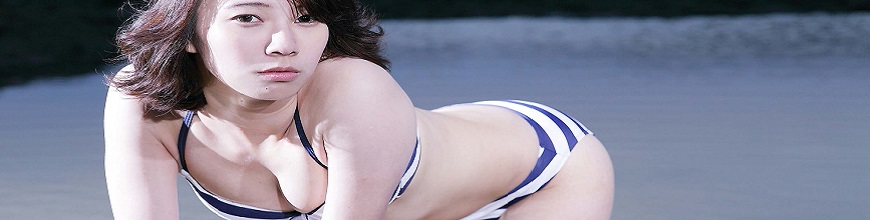
Glamour photography is a photographic style that highlights a person’s beauty, personality, confidence, and visual appeal through carefully planned lighting, styling, poses, and composition. It can range from elegant fashion-inspired portraits to sophisticated studio photographs that emphasize clothing, makeup, hairstyles, and individual character.
Unlike ordinary snapshots, glamour photography usually involves thoughtful preparation. Photographers consider how lighting shapes the face, how clothing complements the subject, and how posing creates a particular mood. The result is an image that feels polished, expressive, and visually engaging.
Glamour photography is not limited to professional models or celebrities. Anyone interested in exploring personal style, celebrating a milestone, or creating memorable portraits can enjoy the experience. With the right preparation and a respectful photographer, a glamour photoshoot can also help individuals explore confidence and self-expression.
Understanding the essential elements of glamour photography makes it easier to plan a successful session, choose suitable outfits, and create images that reflect a person’s unique style.
1. Understanding the Art of Glamour Photography
Glamour photography focuses on presenting a subject in an attractive, intentional, and visually appealing way. It often combines elements of portrait photography, fashion, beauty photography, and artistic storytelling.
The main objective is not simply to make someone look beautiful. It is also to communicate a mood, highlight distinctive features, and create an image with a recognizable style.
Some glamour photographs have a classic, timeless appearance, featuring elegant clothing, soft lighting, and simple backgrounds. Others use dramatic shadows, bold makeup, striking colors, and contemporary fashion to create a more modern atmosphere.
The style can be adapted to different personalities. A subject might prefer a sophisticated editorial look, a romantic portrait, a glamorous evening aesthetic, or a relaxed and natural presentation.
The most successful approach begins with understanding the subject’s preferences and the purpose of the photographs. When creative decisions reflect the person’s personality, the final images often feel more authentic and meaningful.
2. Lighting Techniques That Enhance Portraits
Lighting is one of the most important elements in glamour photography. It influences the mood, texture, contrast, and overall appearance of a portrait.
Soft lighting is commonly used to create a flattering and gentle look. Large diffused light sources, such as softboxes or light passing through a diffuser, can reduce harsh shadows and produce smoother transitions between light and dark areas.
More dramatic lighting creates a different effect. Side lighting can emphasize facial structure, while carefully positioned backlighting can separate the subject from the background and add a subtle glow around the hair or shoulders.
Natural window light is another accessible option. When positioned near a window with indirect daylight, a subject can be photographed with attractive illumination without expensive equipment.
Photographers must also consider the direction of the light. Lighting from above, below, or directly in front of the face produces different results. Experimenting with these positions helps photographers understand which approach best supports the intended style.
Good lighting should complement the subject rather than overwhelm the image. The goal is to create depth, emphasize important features, and establish the desired atmosphere.
3. Choosing the Right Outfits and Accessories
Wardrobe selection plays a major role in glamour photography because clothing contributes to the mood, visual balance, and personality of the image.
Elegant dresses, tailored jackets, coordinated outfits, and carefully selected tops can create a sophisticated appearance. Some subjects prefer classic neutral colors, while others enjoy bold shades, metallic details, or distinctive patterns.
The best choice depends on the desired result. A formal outfit may suit a timeless studio portrait, while contemporary fashion pieces may work better for an editorial-inspired session.
Fit and comfort are especially important. Clothing should allow the subject to sit, stand, and move naturally without requiring constant adjustments. Trying outfits before the photoshoot also helps identify wrinkles, unwanted fabric bunching, or accessories that may distract from the overall composition.
Jewelry, scarves, belts, hats, and other accessories can add personality, but they should complement the outfit rather than compete with it.
It is often useful to prepare two or three outfit options. This creates variety and allows the photographer to experiment with different moods during the session.
Above all, the subject should feel comfortable and confident in the clothing they choose. Personal preference is more important than following a trend that does not suit their style.
4. Makeup, Hair, and Grooming Preparation
Makeup and hairstyling can help create a cohesive look for glamour photography. The appropriate approach depends on the lighting, clothing, personal preferences, and intended photographic style.
For a natural glamour look, makeup may emphasize even-looking skin, defined eyes, and subtle color. A more dramatic style might feature stronger eyeliner, bold lipstick, sculpted features, or shimmering accents.
Photographic lighting can affect how makeup appears in the final images. Products that look subtle in ordinary lighting may appear different under studio lights or camera flash. A makeup artist familiar with photography can help adapt the application to the planned setup.
Hair styling should complement the overall appearance without making the subject feel unlike themselves. Smooth hairstyles, soft waves, carefully arranged curls, or natural textures can all work well depending on the concept.
Basic grooming also helps the session run smoothly. Preparing the skin, checking nails, and bringing a small touch-up kit can be useful, particularly for longer shoots.
Preparation should never become a source of unnecessary pressure. Glamour photography can celebrate natural features, distinctive hairstyles, and personal choices without requiring a specific beauty standard.
5. Posing and Body Language
Posing helps communicate confidence, elegance, relaxation, and emotion. Even small changes in posture, head position, or hand placement can significantly influence a photograph.
Standing with balanced posture can create a poised appearance, while a slight turn of the shoulders may add depth and dimension. Seated poses can communicate a more relaxed mood, especially when the subject is comfortable and naturally positioned.
Facial expressions are equally important. A gentle smile can create warmth, while a thoughtful expression may produce a more editorial or dramatic effect. The most suitable expression depends on the story the photograph is intended to tell.
Hands often require special attention because awkward placement can make a pose feel unnatural. Photographers can suggest simple movements, such as resting a hand lightly on a chair or adjusting a jacket, to encourage natural-looking gestures.
Communication between the photographer and subject is essential. Clear guidance helps subjects understand the pose without feeling criticized or uncomfortable.
There is no single pose that works for everyone. The best poses take individual preferences, physical comfort, clothing, and the overall creative concept into account.
6. Selecting Backgrounds and Locations
The background contributes to the atmosphere of glamour photography. It can be simple and understated or carefully designed to support a particular theme.
Studio backgrounds are popular because they provide control over lighting, color, and distractions. Neutral backdrops can direct attention toward the subject, while darker backgrounds may create a dramatic or luxurious appearance.
Environmental portraits offer more context. A stylish hotel interior, elegant architectural setting, garden, or city location can provide visual interest and help communicate a lifestyle or fashion concept.
When choosing a location, consider privacy, accessibility, available light, and any photography permissions that may be required. Busy backgrounds can distract from the subject, so careful framing is important.
Colors should also work together. A background that contrasts gently with the outfit can help the subject stand out, while complementary colors can produce a harmonious image.
The setting does not need to be expensive or elaborate. A thoughtfully arranged room, clean wall, or well-lit corner can be enough to create attractive glamour portraits.
7. Camera Equipment and Composition
Professional equipment can be useful, but glamour photography is not dependent on owning the most expensive camera. Understanding composition, focus, lighting, and exposure is often more important than purchasing additional gear.
Portrait photographers frequently use lenses that allow flattering framing and separation between the subject and background. A moderate telephoto lens can be useful for headshots, while a standard lens may work well for full-length portraits and environmental images.
A tripod can help maintain consistent framing, particularly in studio settings. Reflectors are also useful because they bounce available light back toward the subject, reducing unwanted shadows.
Composition determines how the subject is positioned within the image. Centered portraits can feel balanced and formal, while off-center framing may create a more editorial appearance.
Pay attention to the space around the head, the direction of the subject’s gaze, and objects near the edges of the frame. Small distractions can reduce the overall polish of a photograph.
For beginners, a smartphone with portrait capabilities can be a useful starting point. Learning to find good light and compose an intentional image provides a foundation for more advanced techniques.
8. Editing and Retouching for a Professional Finish
Photo editing helps refine glamour images by adjusting exposure, contrast, color, sharpness, and other visual elements. Thoughtful editing can create a consistent style while preserving the subject’s natural appearance.
Color correction is often one of the first steps. Skin tones, clothing colors, and background shades should appear balanced and appropriate for the intended mood.
Retouching may include removing temporary distractions, reducing the appearance of minor blemishes, or correcting small lighting inconsistencies. However, excessive retouching can make skin appear artificial and remove features that contribute to a person’s individuality.
Maintaining realistic texture is particularly important in portrait photography. Natural skin, freckles, wrinkles, and other distinctive features can be part of what makes a portrait meaningful.
Photographers should discuss editing expectations with clients before the session. This helps establish a shared understanding of the desired final appearance and avoids unwanted surprises.
A polished photograph does not need to look completely artificial. Often, subtle adjustments produce a more timeless and believable result.
9. Confidence, Comfort, and Professional Boundaries
A positive glamour photography experience depends on more than the final photographs. Subjects should feel respected, comfortable, and involved in creative decisions throughout the session.
Before booking a photographer, review their portfolio, discuss the proposed concept, and clarify the expected cost, duration, deliverables, and editing process. It is also reasonable to ask questions about privacy and how the images will be stored or shared.
Consent should guide every aspect of the session, including outfits, poses, physical adjustments, and image publication. A subject should be able to decline a pose or request a change without feeling pressured.
Photographers should obtain clear permission before sharing photographs publicly, particularly on social media, websites, or promotional materials. Agreeing to participate in a photoshoot does not automatically mean agreeing to every possible use of the images.
For many people, glamour photography offers an opportunity to explore personal style and see themselves from a new perspective. A supportive environment can make the experience enjoyable without imposing unrealistic expectations about beauty or appearance.
Conclusion
Glamour photography combines lighting, wardrobe, makeup, posing, composition, and creative direction to produce elegant and expressive portraits. Its appeal lies in the ability to highlight individual personality while creating images that feel polished and memorable.
Whether working with a professional photographer or experimenting at home, careful preparation can improve the results. Choosing comfortable outfits, finding flattering light, practicing natural poses, and selecting suitable backgrounds all contribute to stronger photographs.
Equally important are confidence, communication, privacy, and respect. The best glamour sessions allow subjects to express their preferences and participate actively in the creative process.
Ultimately, glamour photography is not about achieving one universal standard of beauty. It is about using photography as a creative tool to celebrate individuality, personal style, and the many ways people choose to present themselves.